

Strengthening Global Nursing Partnerships in Africa
University of Saskatchewan (USask) College of Nursing travels to Tanzania and Uganda to strengthen partnerships through collaborations in education, research, and global health.
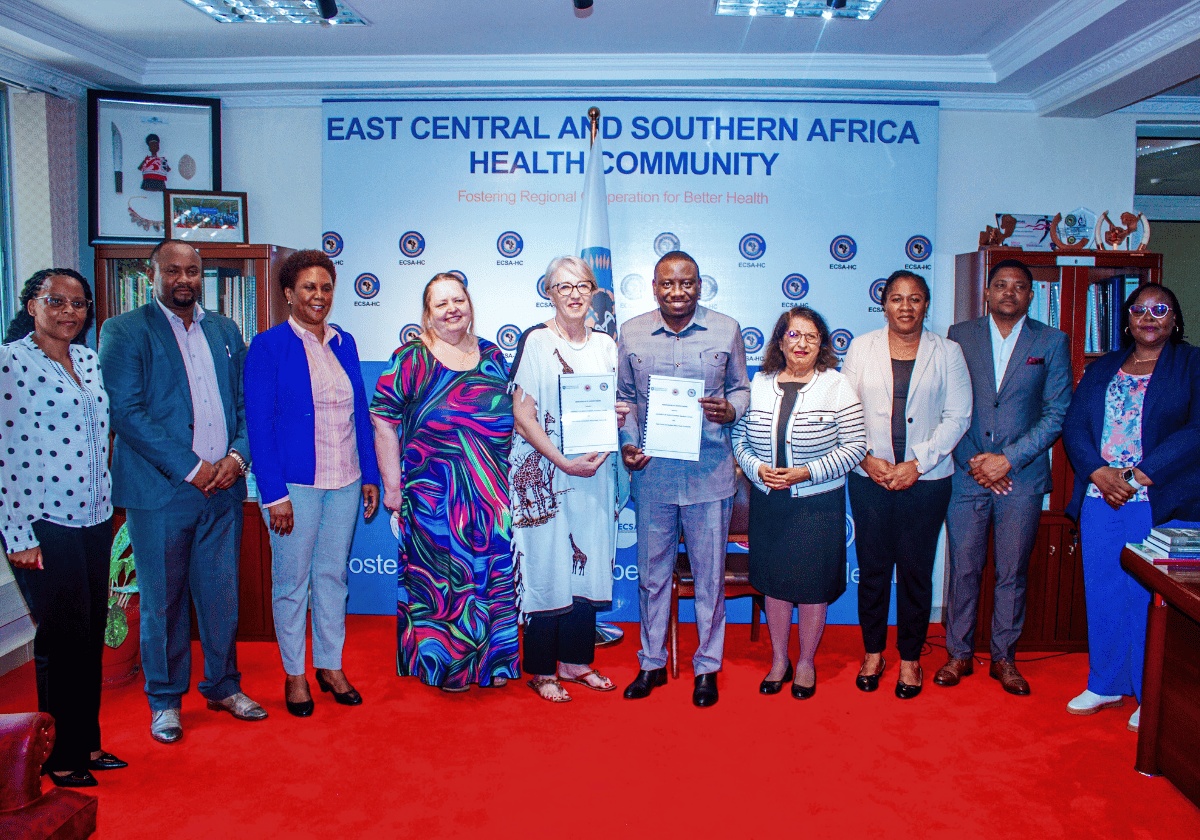
At the invitation of the East, Central and Southern Africa Health Community (ECSA-HC), University of Saskatchewan (USask) College of Nursing Dean Dr. Solina Richter (DCur) traveled to Tanzania and Uganda in March 2026, alongside Dr. Shehnaz Alidina (ScD), associate dean engagement and development, and Professor Dr. Pammla Petrucka (PhD).
This trip marked an important step in expanding the college’s global engagement and strengthening partnerships across the region.
ECSA-HC is an inter-governmental health organization that fosters and promotes regional cooperation in health among its member states including Kenya, Lesotho, Malawi, Mauritius, Eswatini, United Republic of Tanzania, Uganda, Zambia, and Zimbabwe.
During their visit, they engaged with the East, Central, and Southern Africa College of Nursing and Midwifery (ECSACONM), a professional body supporting midwives and nurses across 19 countries.
ECSACONM plays a key role in promoting and strengthening professional excellence in nursing and midwifery across the region.
A major outcome of this visit was the signing of a Memorandum of Understanding (MOU) between the University of Saskatchewan College of Nursing, UCSA-HC, and ECSACONM.
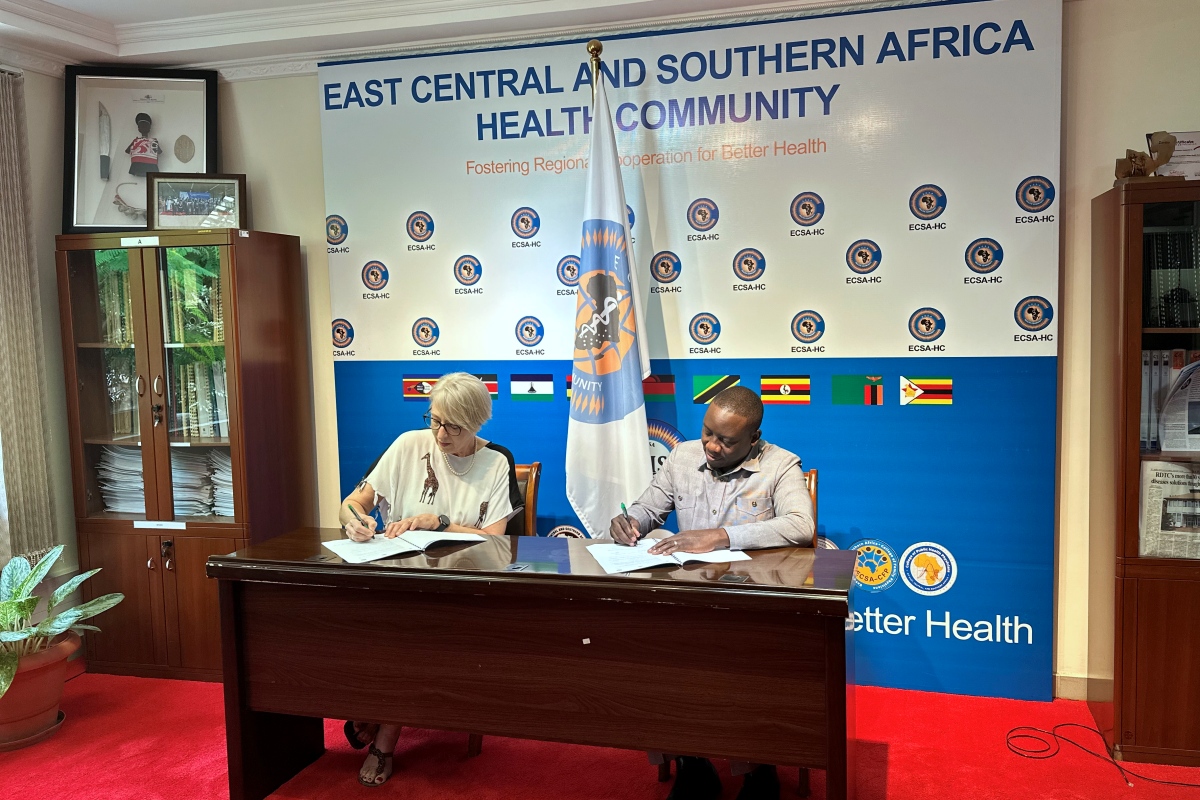
This agreement lays the groundwork for long-term collaboration in academic, research, and scholarly initiatives.
Through ECSA-HC’s partner institutions, Drs. Richter and Alidina met with nursing faculty at Kilimanjaro Christian Medical Centre, Muhimbili University of Health and Allied Sciences, the University of Dodoma in Tanzania, as well as Aga Khan University and Makerere University in Kampala, Uganda.
These conversations focused on opportunities for student and faculty exchange, collaborative online international learning, and joint research and teaching.
Collaborations with these universities would bring significant benefits to the College of Nursing including expanded access to global learning environments for students and faculty, as well as opportunities to participate in multi-institutional collaborations.
“Some of the standout moments from these travels were visiting a proposed Centre of Excellence site in Arusha, a 28-acre development envisioned as a hub for research, training, and innovation,” said Alidina.
“Engaging with nursing leaders and faculty across multiple institutions and talking about universal nursing-related challenges was very meaningful.”
The visit reaffirmed a collective commitment to advancing health equity through nursing education, leadership, and collaboration.
“By strengthening partnerships across East, Central, and Southern Africa, the College of Nursing continues to expand its global reach and contributes to meaningful, sustainable improvements in health outcomes,” concludes Richter.